Why SleepSafe® Beds?
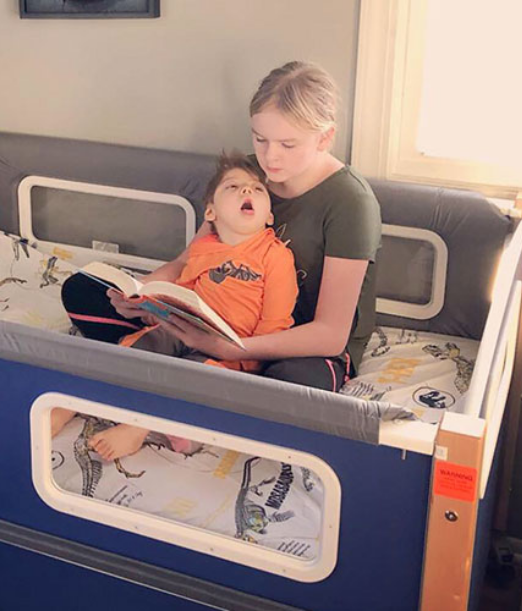
More than a bed, a finely crafted piece of furniture.
Twenty-five years ago, we were perfectly content to build custom furniture out of a garage in central New York state. But then we got the opportunity to create furniture with a higher purpose.
In 2000, we were approached by the Office for People with Developmental Disabilities (OPWDD) in New York to make a bed that would help prevent falls and entrapment for those with special needs.
The idea of creating a “safety bed” intrigued us, and we were eager to offer a fresh perspective. With help from healthcare professionals and caregivers, we set out to create a bed that would be as functional as it was visually appealing. Eventually our “SleepSafe® Bed” was approved by the OPWDD and now represents a new standard for the agency’s bed safety guidelines.
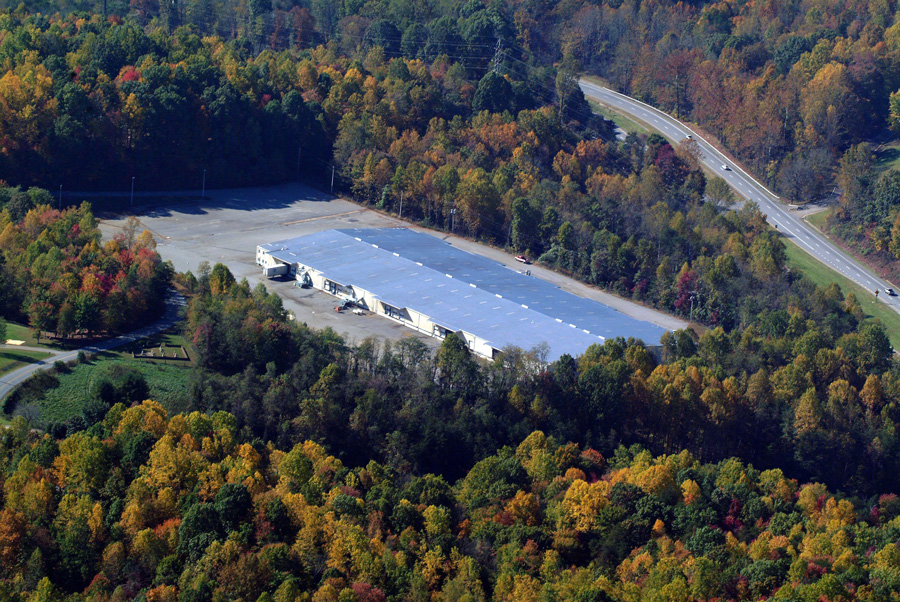
By 2001, we knew our mission. We formed SleepSafe® Beds, LLC and filed for a patent on the SleepSafe® Bed safety rail system, approved in 2002. We relocated to Southwest Virginia in 2005 and moved again in 2011 to our current plant in Bassett, Virginia.
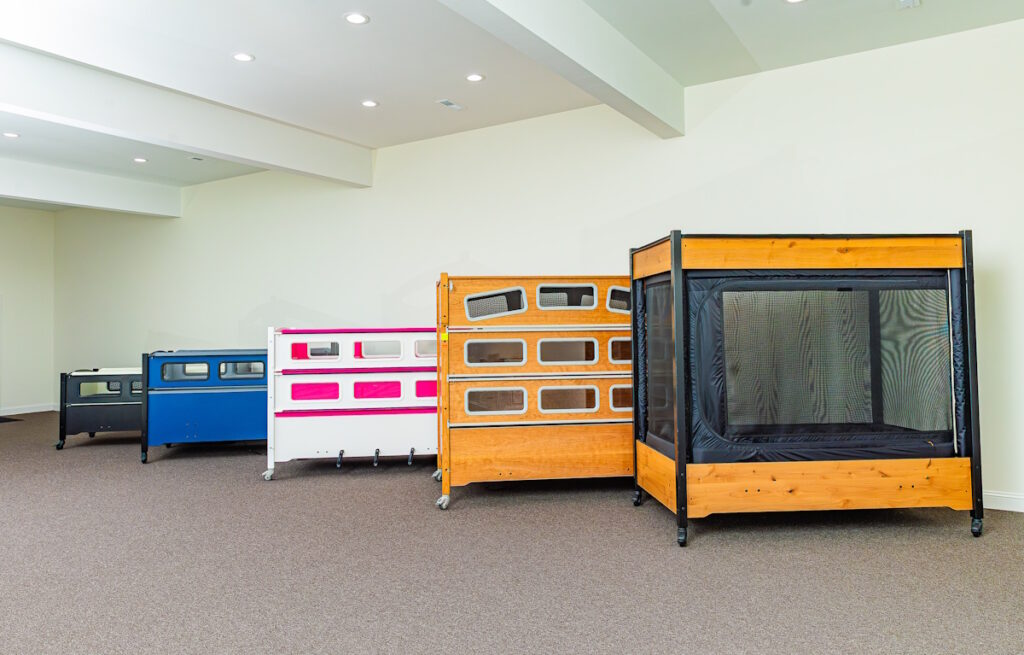
We offer five models and seven foundations with varying safety rail heights, transfer heights, accessories and bed finishes, letting our customers select from many safety bed combinations.
In 2024 we introduced the InSight – our soft-sided safety bed featuring a 360 degree see-through surround with a fixed twin foundation.
We are grateful for the continuing input from caregivers and healthcare professionals. They inspire and challenge us daily to create the world’s best medical equipment.

Safe beds start with smart designs.
SleepSafe® Beds safety rail design replaces the tubular safety rail known to cause entanglement
and entrapment.
Since January 1990, FDA has received 102 reports of head and body entrapment incidents involving hospital bed side rails. The 68 deaths, 22 injuries, and 12 entrapments without injury occurred in hospitals, long-term care facilities and private homes.
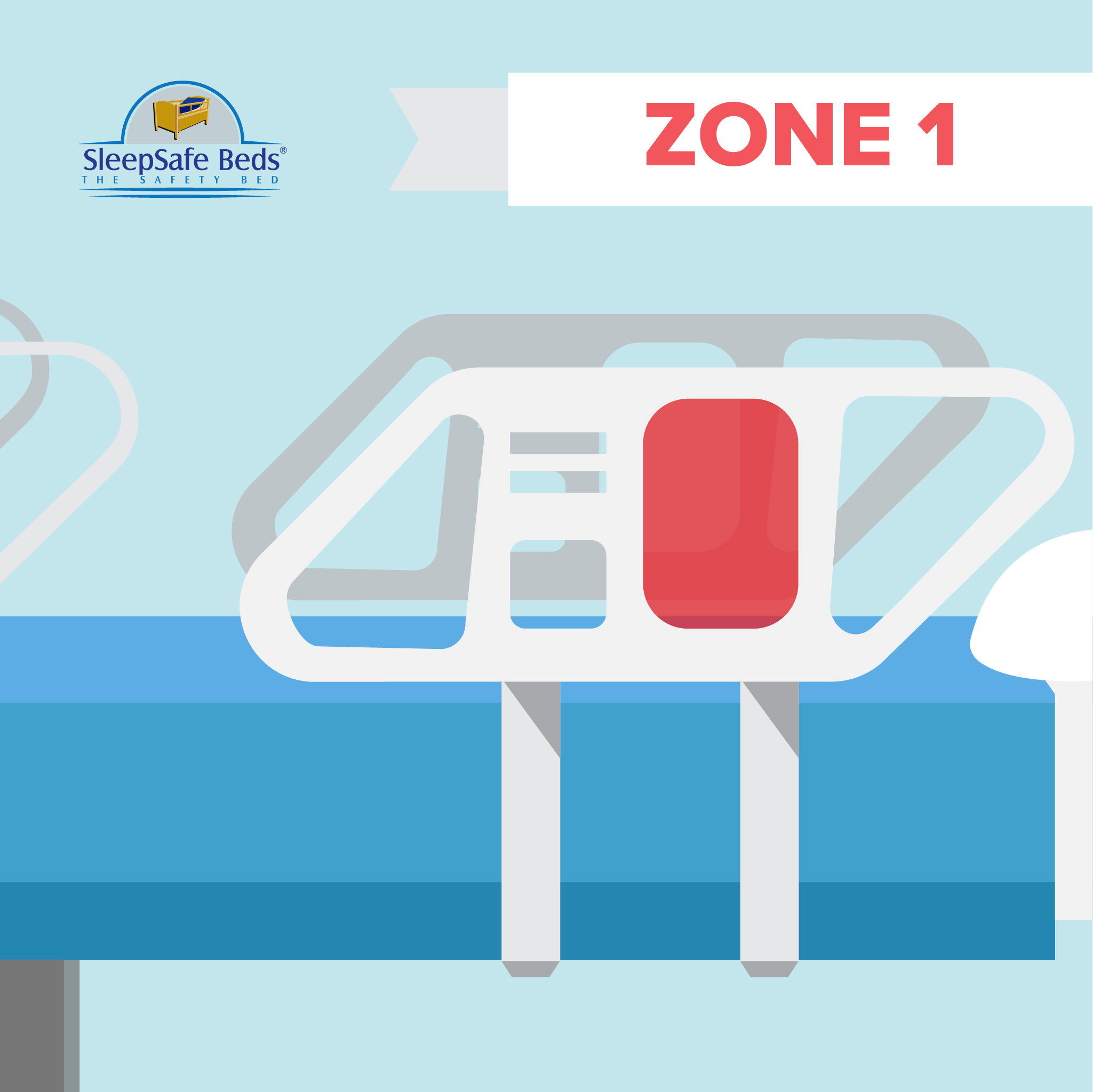
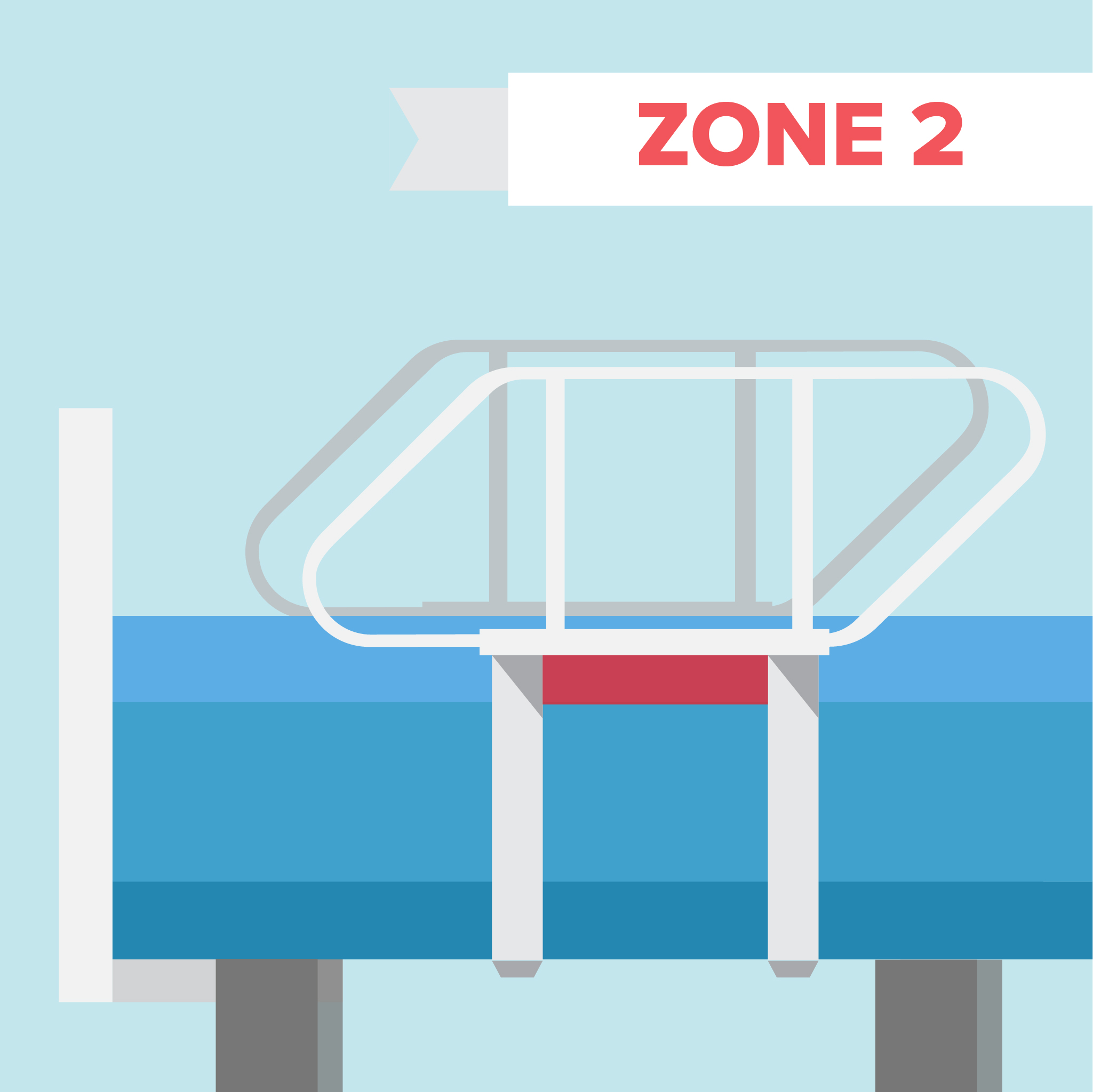
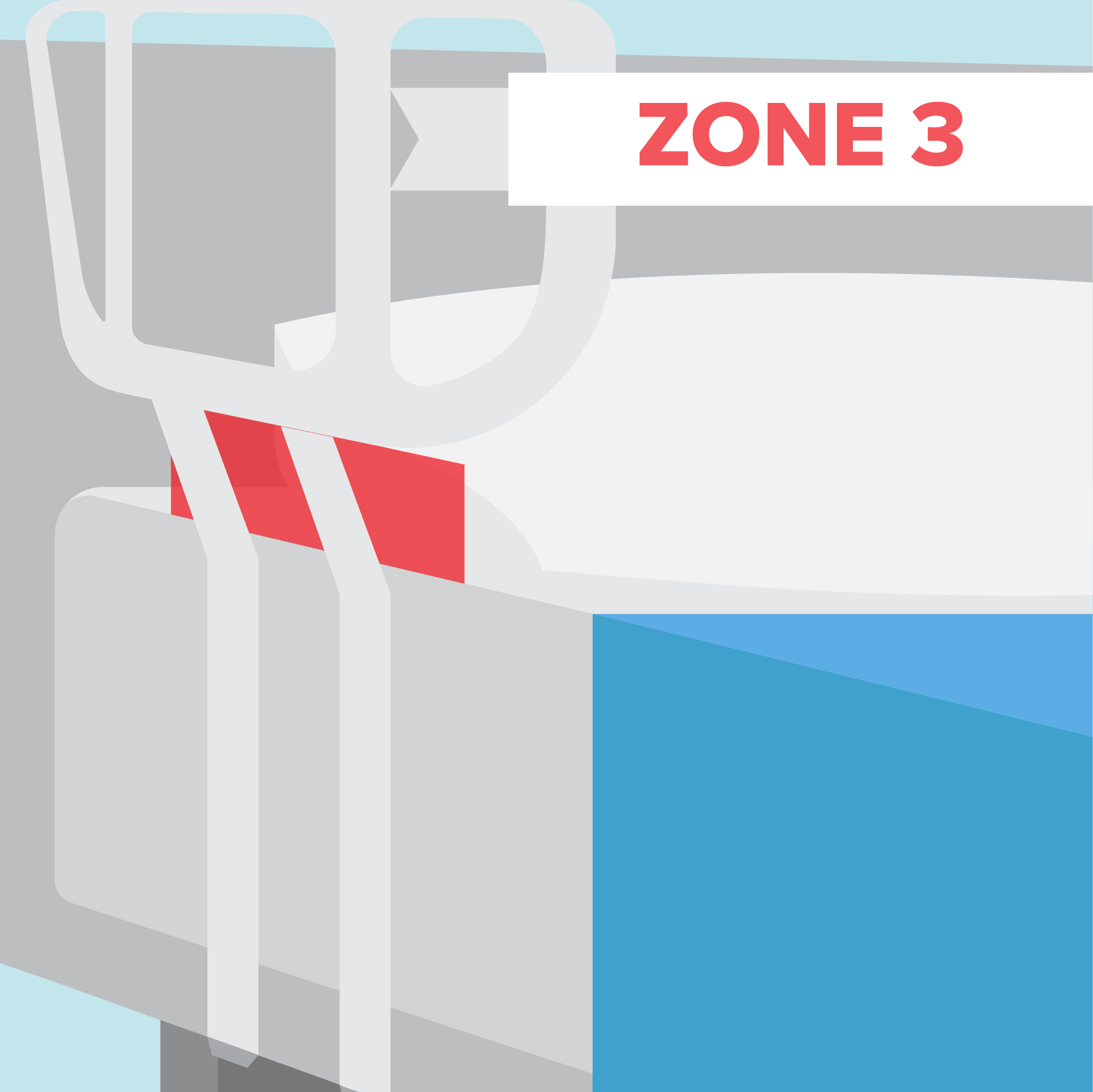
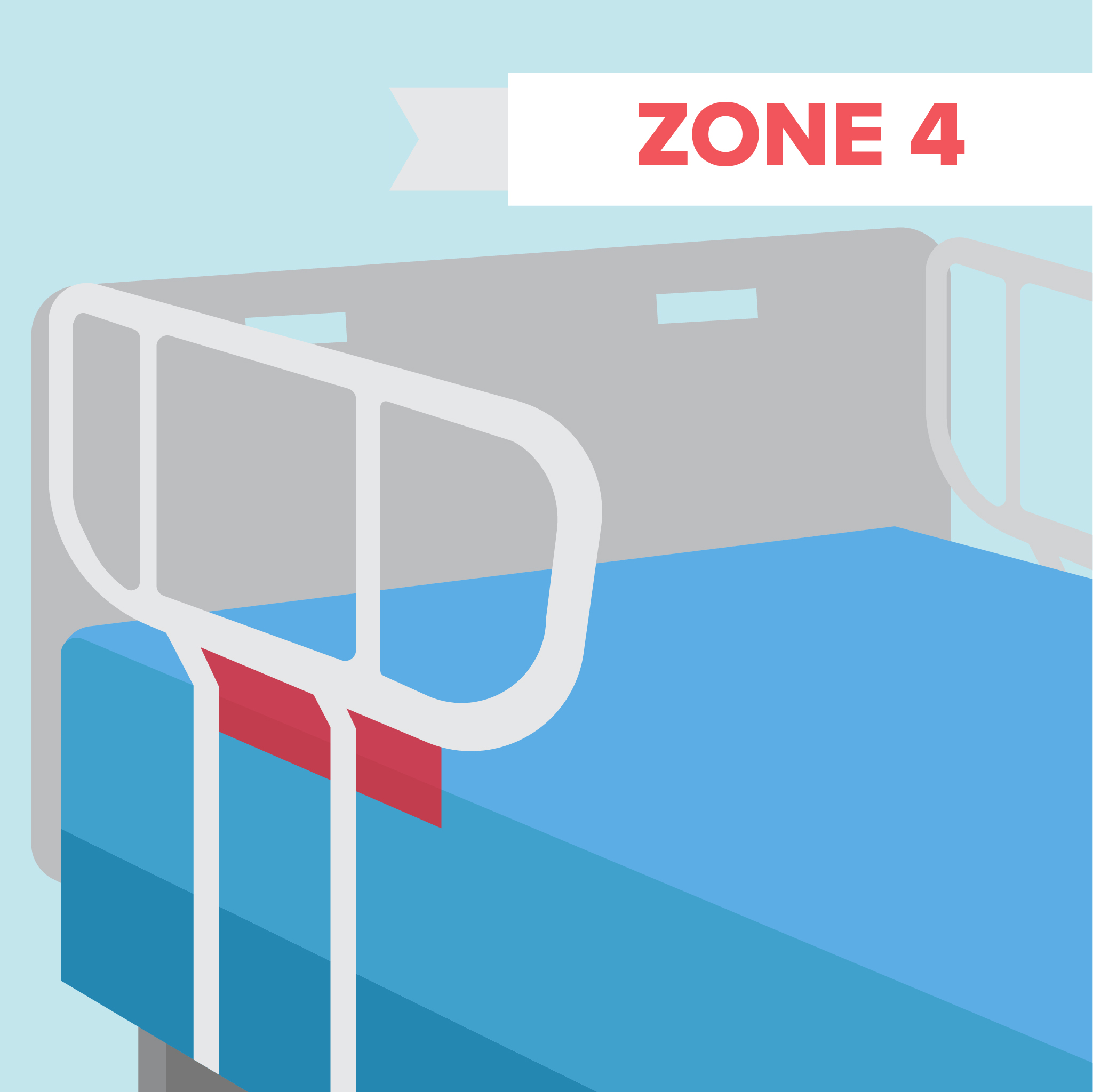
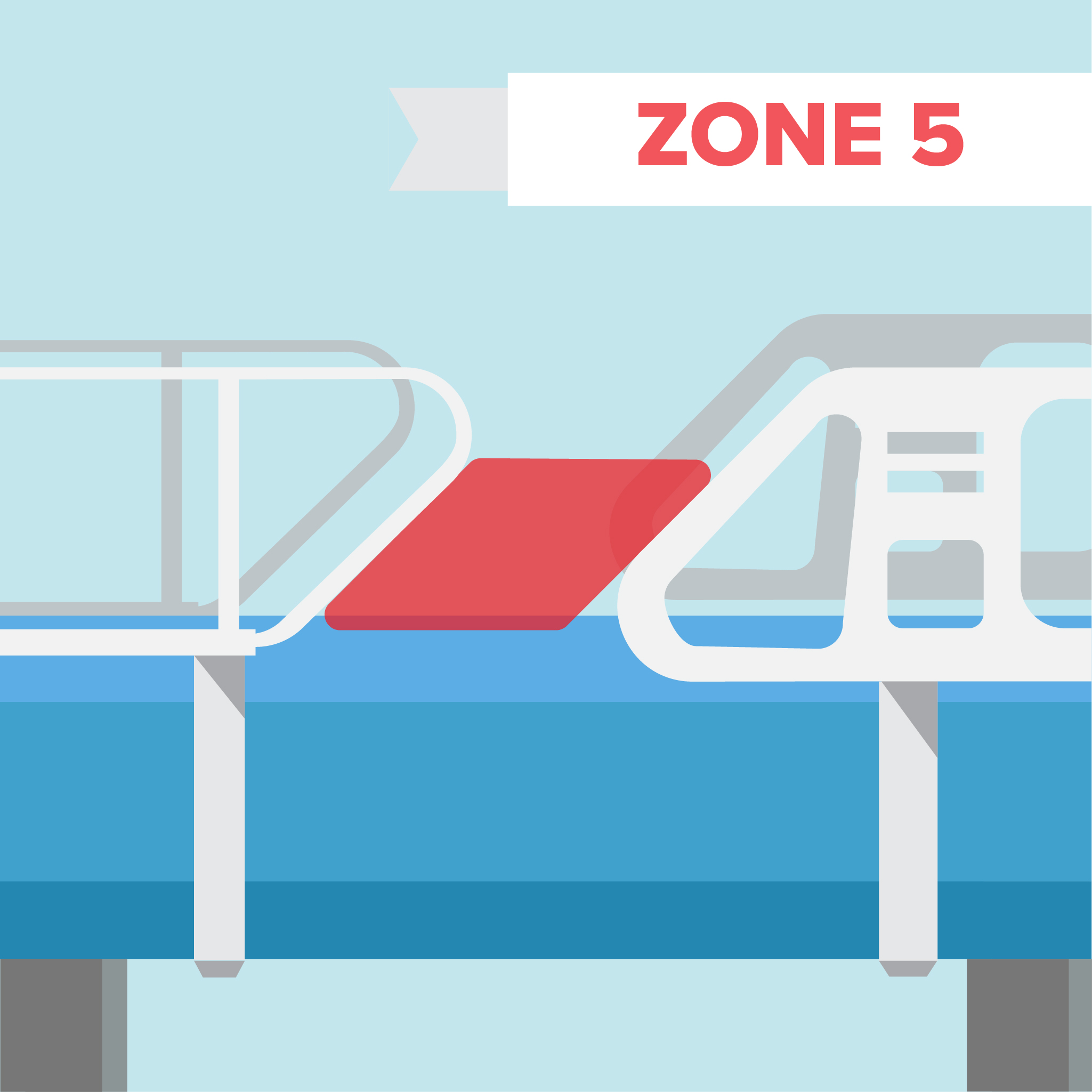
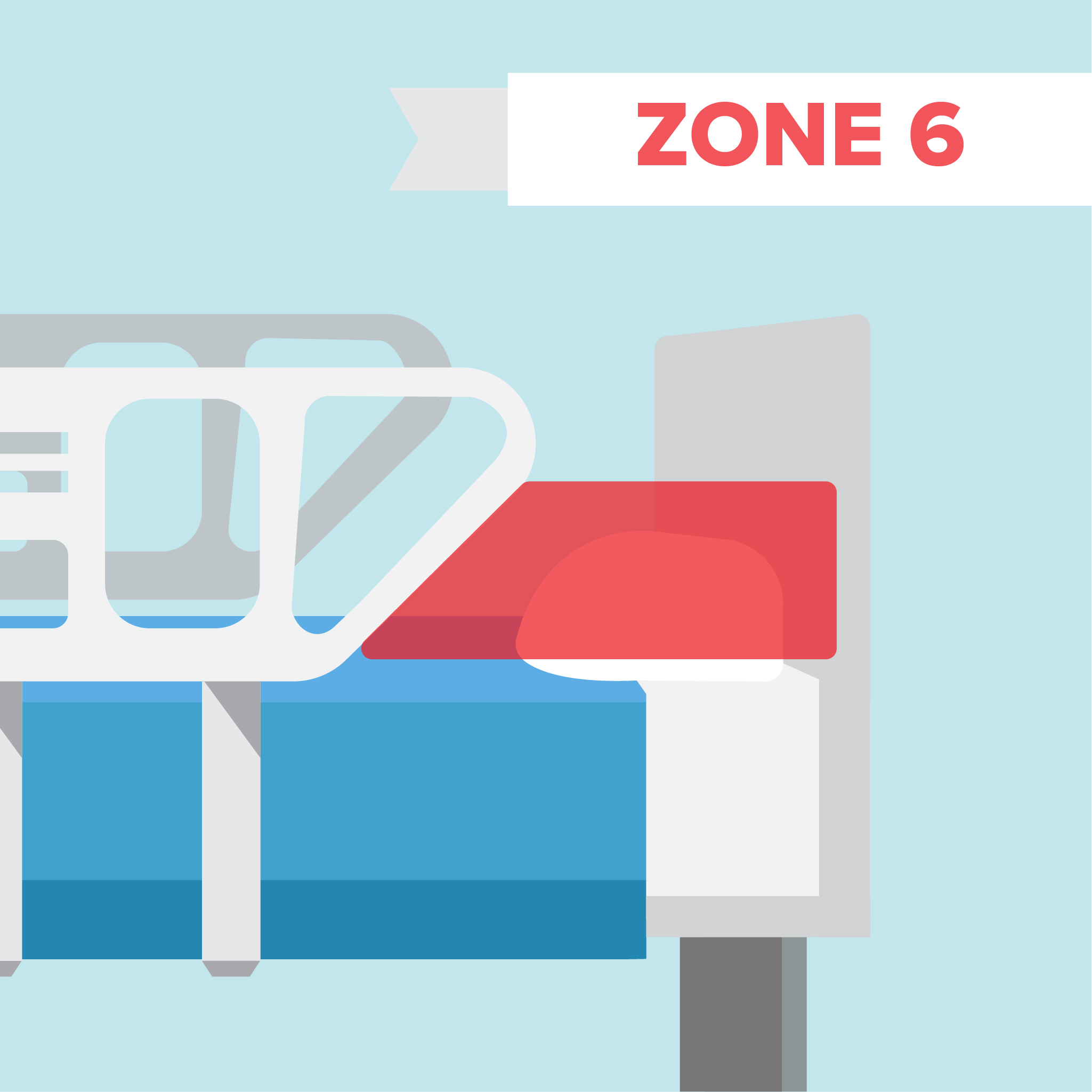
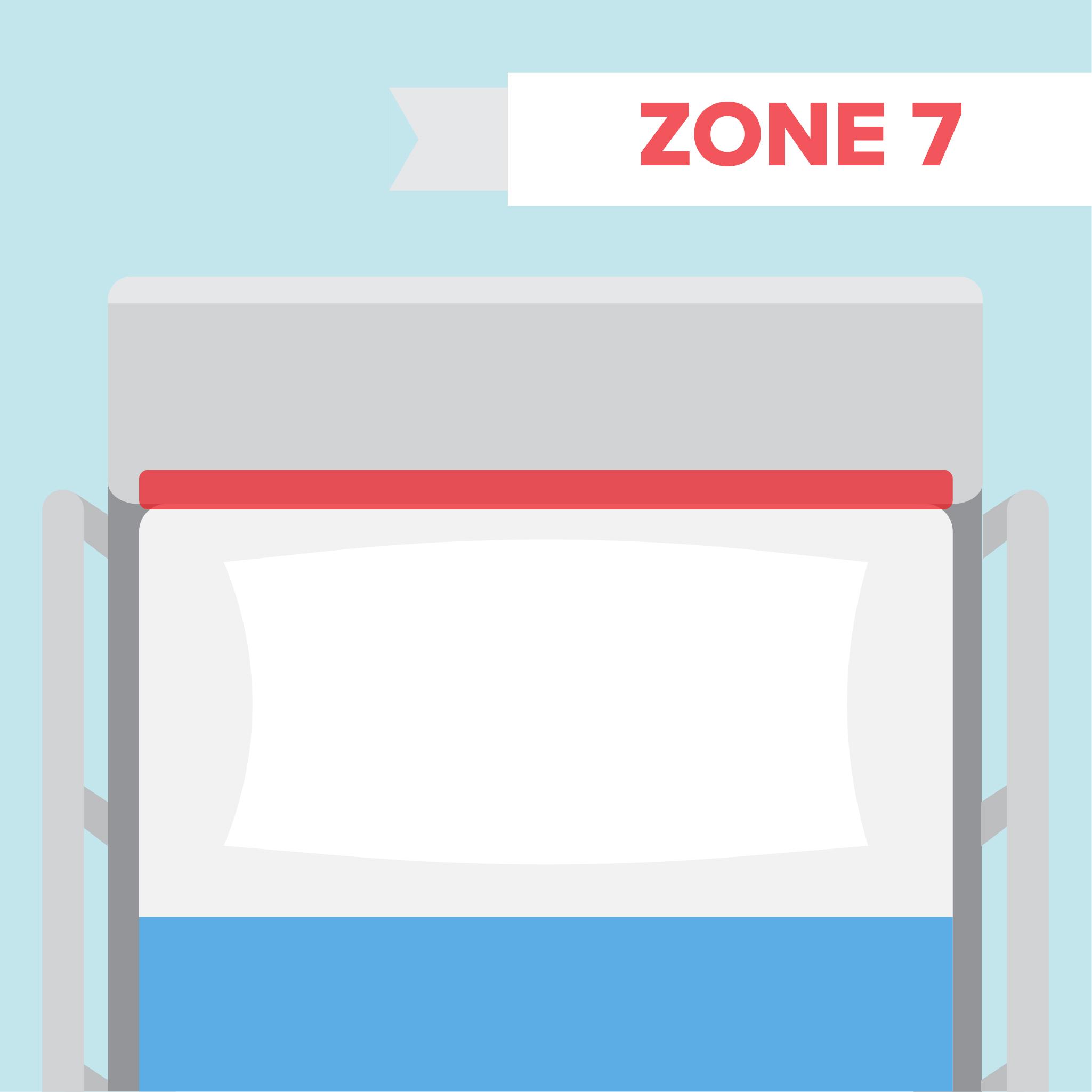
The 7 Zones